
According to the World Health Organisation (WHO), medical waste is ‘all types of waste from healthcare facilities’.
Of all medical waste generated, about 15-20% is considered potentially infectious and hazardous: over 260,000 HIV infections and 21 million hepatitis B infections have been caused by improper disposal of medical waste. Medical waste management methods currently generate economic and environmental problems.

~ 80%
GENERAL WASTE
~ 20%
INFECTIOUS, HAZARDOUS, TOXIC WASTE
Infectious risk hospital waste is waste of a sanitary nature that is contaminated with biological liquids such as blood and various secretions, or waste from environments and patients in infectious isolation: gauze, gloves, cannulae, drains, catheters, drips, masks.
Medical waste at risk of infection also includes all waste contaminated by infected faeces and urine, such as nappies, but also sharp waste such as needles, blades and syringes.
All of these wastes must be managed, handled and disposed of according to precise procedures established by legislation.
For the identification and management of medical waste at risk of infection, reference must
be made to the European Waste Code (EWC).

WTK EcomaS 100 Steriliser and shredder
WorkinProgress Bio-Medical Srl developed WTK EcomaS 100, an innovative medical waste treatment system, that enables hospitals to treat their solid infectious waste in a sustainable and cost- effective way: a revolutionary solution that shreds, sterilises and compacts infectious hospital waste, eliminating the need for storage, transport and incineration.
Continue to read
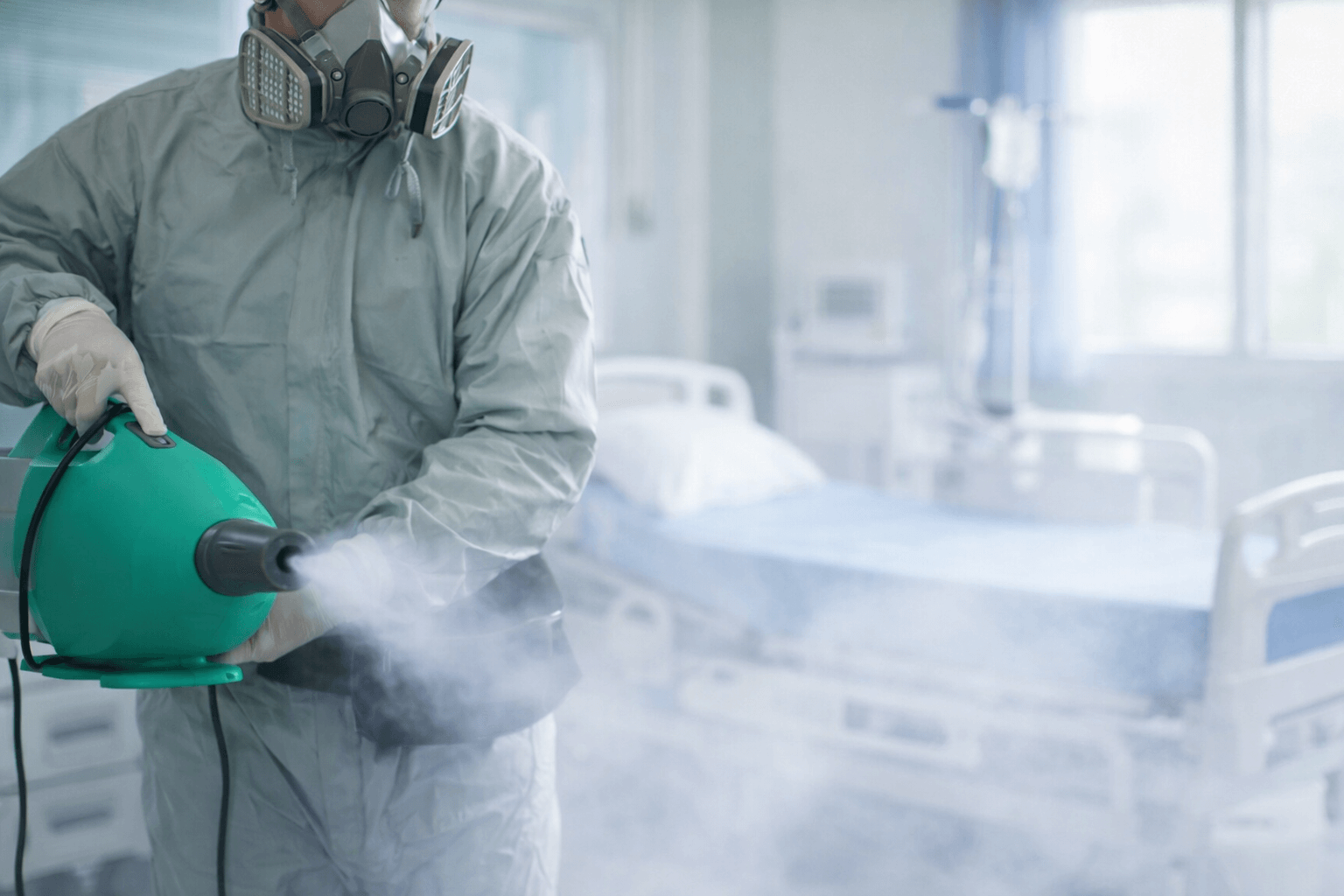
Regione Lombardia Guidelines: No-Touch Environmental Sanitization
According to the World Health Organization (WHO), healthcare waste is defined as “all types of waste generated by healthcare……

Shows and Events
When, where and how to find us in the main trade fairs around the world.

Press review
Newspapers, trade magazines, online articles: when press talks about Microdefender ®.